


Summer Lawn Thatch Control Tips: Keep Your Inner West Sydney Lawn Healthy
Summer Lawn Thatch Control Tips: Keep Your Inner West Sydney Lawn Healthy
Summer in Inner West Sydney is a peak time for lawns to thrive and sometimes struggle. The warm, sunny days and occasional heavy rainfall create ideal conditions for grass growth, but they also encourage the accumulation of thatch, which can suffocate your lawn and prevent it from looking its best. For homeowners who want a lush, healthy lawn, understanding what lawn thatch is, recognising its symptoms, and knowing the right time to remove it is essential.
In this guide, we’ll break down everything you need to know about thatch control in the summer months, with practical tips and insights from Bizzy Mowing, a trusted lawn and gardening service in Inner West Sydney.
What Is Lawn Thatch?
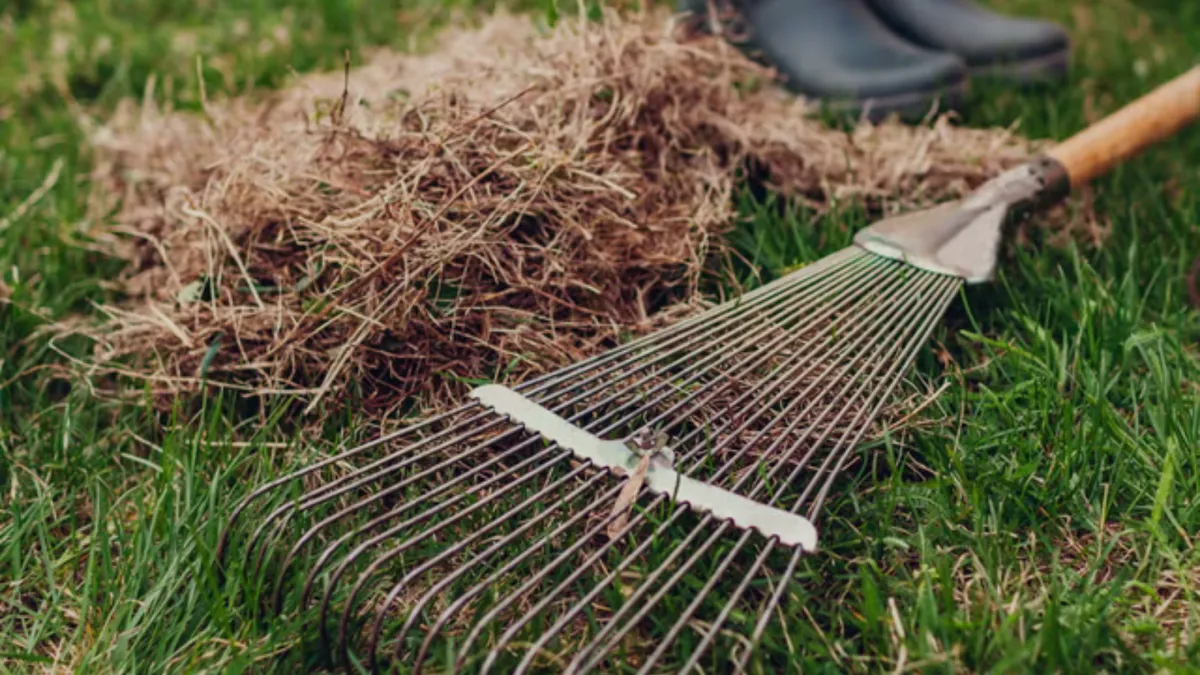
Thatch is a layer of dead grass stems, roots, and organic matter that forms between the soil surface and the green grass blades. While a small amount of thatch (less than 1 cm) can be beneficial helping to insulate roots and retain moisture an excessive build-up can harm your lawn.
When thatch accumulates beyond 1.5 cm, it becomes a barrier that prevents water, nutrients, and air from reaching the soil. This can lead to shallow root growth, patchy lawns, and increased vulnerability to pests and diseases.
Symptoms of Excessive Thatch
Detecting thatch early is critical to maintaining a healthy lawn. Here are some common symptoms to watch for in Inner West Sydney lawns during summer:
Spongy Lawn Texture – Step on your lawn, and it feels soft and springy rather than firm. This is often a sign of thick thatch.
Water Runoff – Rainwater or sprinklers are not penetrating the soil, instead pooling on the surface.
Patchy Growth – Areas of the lawn may appear yellowed, brown, or thin, even with regular watering and fertilising.
Increased Pests and Diseases – Thatch creates a warm, humid environment that encourages insects like lawn grubs and fungal diseases.
Slow Recovery – Lawns with heavy thatch take longer to bounce back from drought, heat stress, or wear and tear.
If you notice these symptoms, it’s time to consider thatch removal, which is an essential part of summer lawn care.
Why Summer Is a Critical Time for Thatch Control
Many homeowners in Sydney’s Inner West assume that dethatching is a spring or autumn task, but summer can be particularly effective for certain grass types. Here’s why:
Active Growth – Warm-season grasses like Kikuyu, Buffalo, and Couch grass, which are common in Inner West Sydney, are actively growing in summer. This means your lawn can recover quickly after dethatching.
Better Weather Conditions – Dry, sunny days make it easier to mow, rake, and aerate without compacting wet soil.
Preventing Disease Build-up – Removing thatch in summer reduces fungal and pest risk before it becomes severe.
However, timing is important. Summer in Sydney can be extremely hot, so dethatching during peak heat waves may stress your lawn. Early morning or late afternoon sessions are ideal, and consulting professionals like Bizzy Mowing ensures the process is done safely and efficiently.
Methods of Thatch Removal
There are several effective ways to control thatch, ranging from simple DIY methods to professional services.
Manual Raking
For smaller lawns or light thatch build-up, a thatched rake or spring-tine rake can remove debris by hand. This method is labour-intensive but precise, allowing you to focus on problem areas.
Tips:
Water your lawn a day before raking to soften the thatch.
Avoid raking too aggressively, as this can damage healthy grass blades.
Collect and compost the removed thatch for eco-friendly disposal.
Mechanical Dethatching
For larger lawns or heavy thatch accumulation, mechanical dethatchers or lawn scarifiers are ideal. These machines have rotating blades that cut through the thatch layer, lifting it to the surface.
Benefits:
Faster than manual raking.
More uniform removal, preventing patchy results.
Can be combined with lawn aeration for maximum soil penetration.
Core Aeration
Though primarily used to relieve soil compaction, core aeration also helps break down thatch over time by improving air and water penetration. Small soil plugs are removed, allowing nutrients to reach the roots more effectively.
Best Timing for Thatch Removal
Correct timing is key to avoiding stress and damage to your lawn. For Inner West Sydney lawns, consider the following:
Warm-Season Grasses (Kikuyu, Buffalo, Couch) – Early to mid-summer is optimal, when the grass is actively growing. Avoid peak heat if possible.
Cool-Season Grasses (Fescue, Ryegrass) – Late spring or early summer is ideal, as these grasses may struggle during the hottest months.
Frequency – Most lawns require dethatching every 2–3 years, depending on growth rate and usage.
Professional services like Bizzy Mowing can assess your lawn and recommend the best schedule for thatch control, ensuring healthy regrowth without unnecessary stress.
Aftercare Tips for a Healthy Lawn
Once thatch has been removed, your lawn needs extra care to recover quickly. Follow these steps:
Watering – Keep the lawn moist but avoid overwatering. Early morning is best to prevent fungal growth.
Fertilisation – Apply a summer-appropriate fertiliser to encourage root and blade growth.
Overseeding – Bare patches may appear after dethatching. Overseeding helps restore density and prevent weeds.
Mowing – Resume regular mowing once the grass has recovered, typically after 1–2 weeks.
Pest and Weed Monitoring – Thatch removal exposes the soil, so watch for weeds and pests, treating promptly if necessary.
Common Mistakes to Avoid
Even experienced homeowners can make errors when controlling thatch. Avoid these pitfalls:
Removing Too Much Thatched Layer – Taking off more than 1.5 cm can damage healthy grass.
Dethatching During Heat Waves – Stressful weather can shock the lawn.
Skipping Fertilisation – Failing to feed the lawn slows recovery.
Neglecting Aftercare – Watering and pest monitoring are critical for long-term health.
For homeowners in Inner West Sydney, relying on a professional lawn service like Bizzy Mowing mitigates these risks. They bring expertise, equipment, and local knowledge to ensure your lawn thrives.
How Bizzy Mowing Can Help
Bizzy Mowing, based in Inner West Sydney, specialises in lawn and garden maintenance, including thatch control, dethatching services, and summer lawn care. Their team can:
Inspect your lawn and assess thatch levels.
Recommend the most effective removal method for your grass type.
Schedule dethatching at optimal times to minimise stress.
Provide post-dethatching care, including fertilisation, overseeding, and pest control.
Keep your lawn lush and green throughout the summer months.
Using Bizzy Mowing means you save time and effort while ensuring professional results that keep your lawn healthy, resilient, and beautiful.
Conclusion
Summer in Inner West Sydney is the perfect time to tackle lawn thatch, provided you understand what it is, can recognise the symptoms, and know the best timing for removal. Excessive thatch can block water and nutrients, invite pests, and slow recovery, but careful management through raking, mechanical dethatching, and professional support can restore your lawn’s health.
Bizzy Mowing offers expert guidance and services tailored to your lawn’s needs, ensuring that your garden thrives even during the heat of summer. From thatch removal to fertilisation and mowing, Bizzy Mowing is your partner for a lush, green, and healthy lawn in Inner West Sydney.


